Nava: Fragments of the Inner Voice
An exhibition of contemporary Persian art exploring memory, identity & cultural continuity.
Language extends far beyond words. It lives in the marks we make, the objects we shape, the images we create, and the traditions we carry with us across time and place.
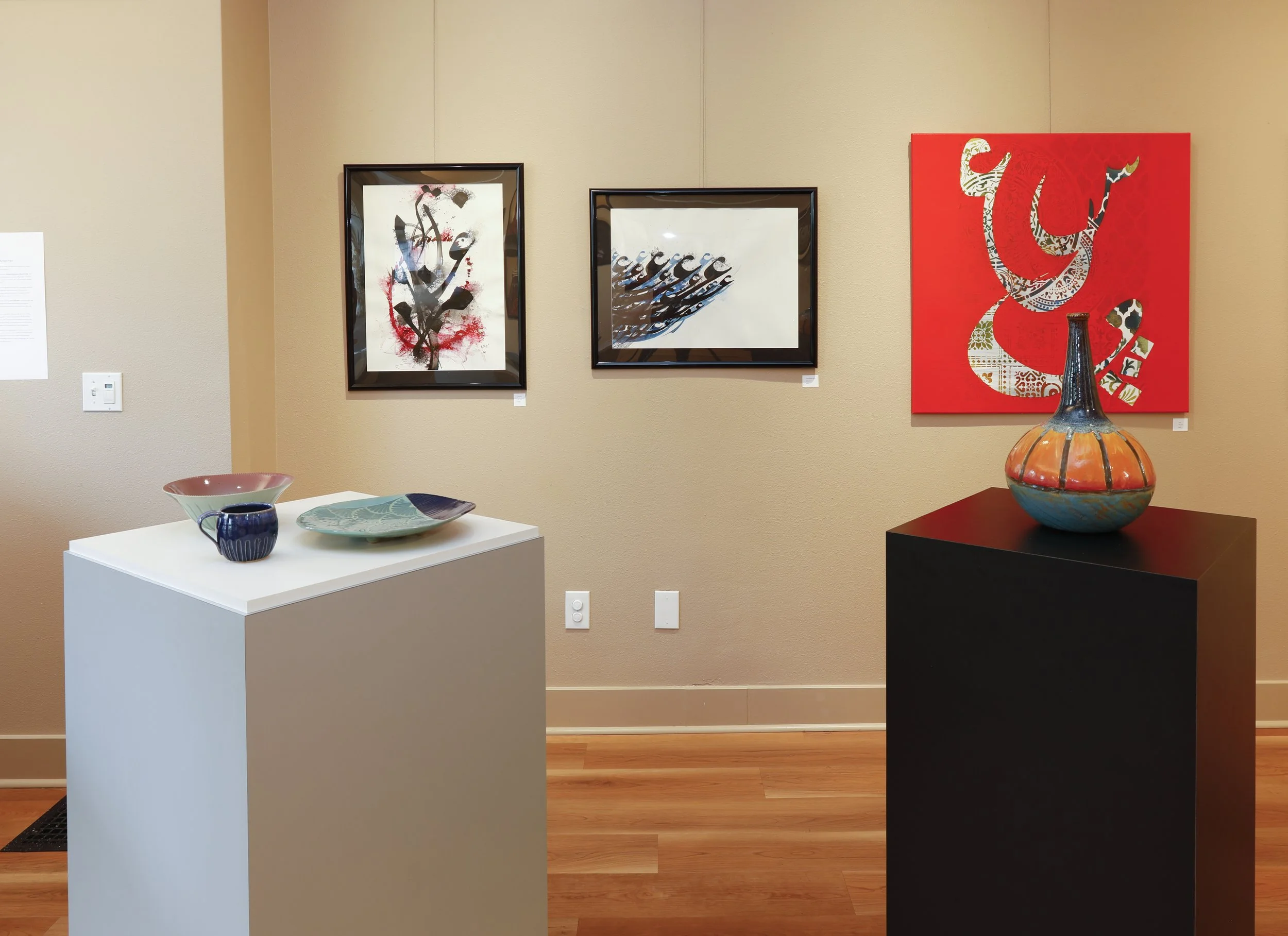
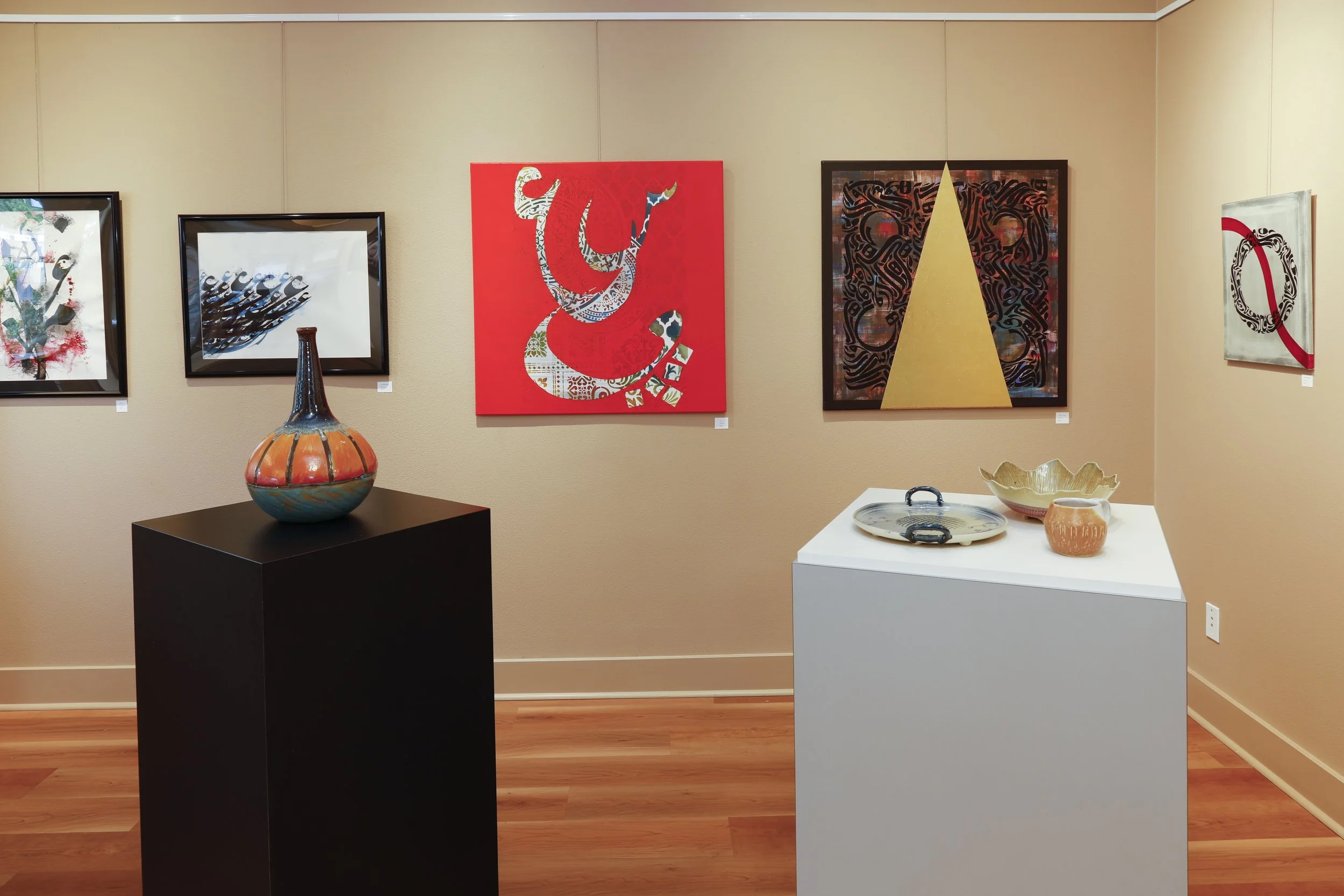
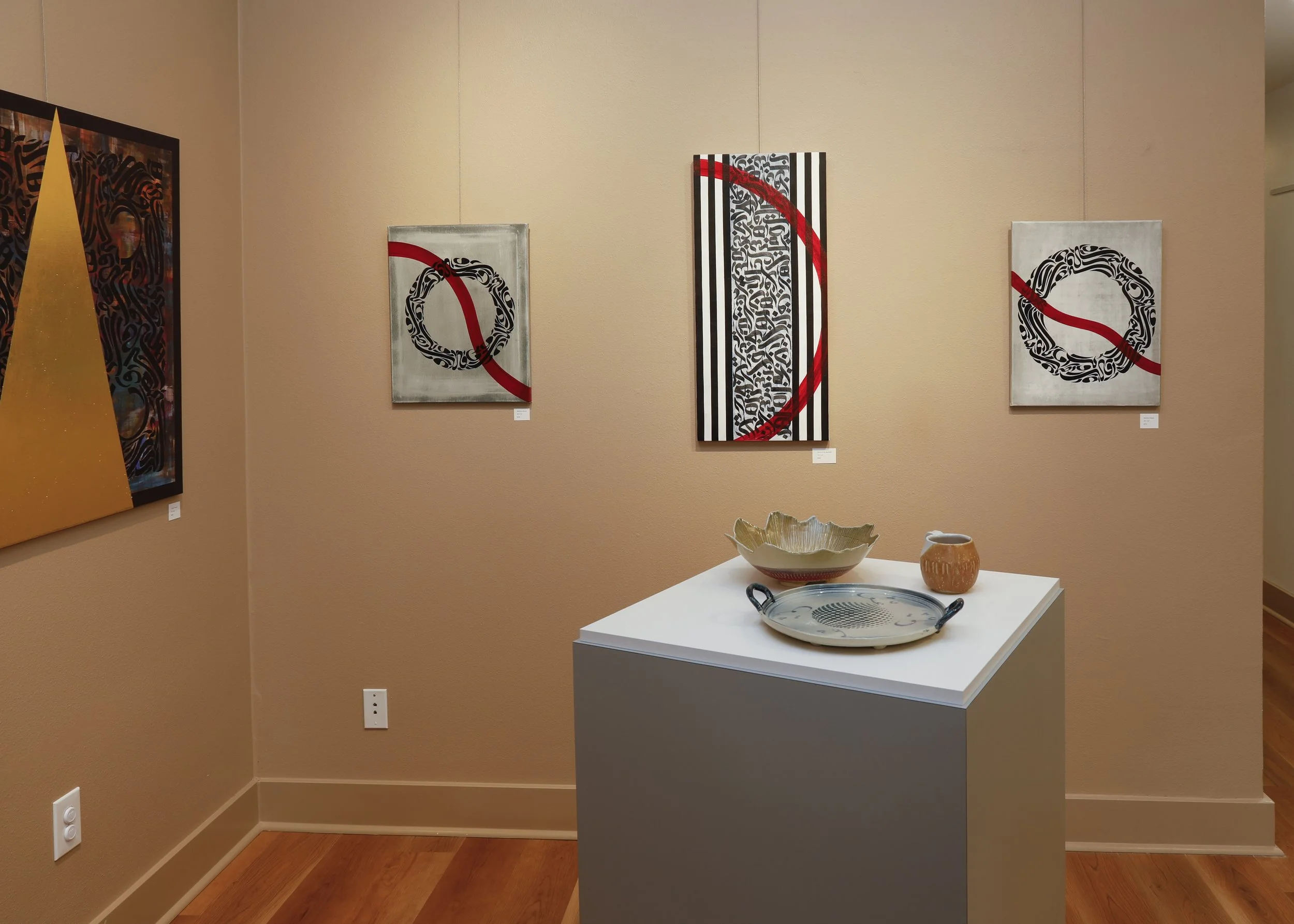
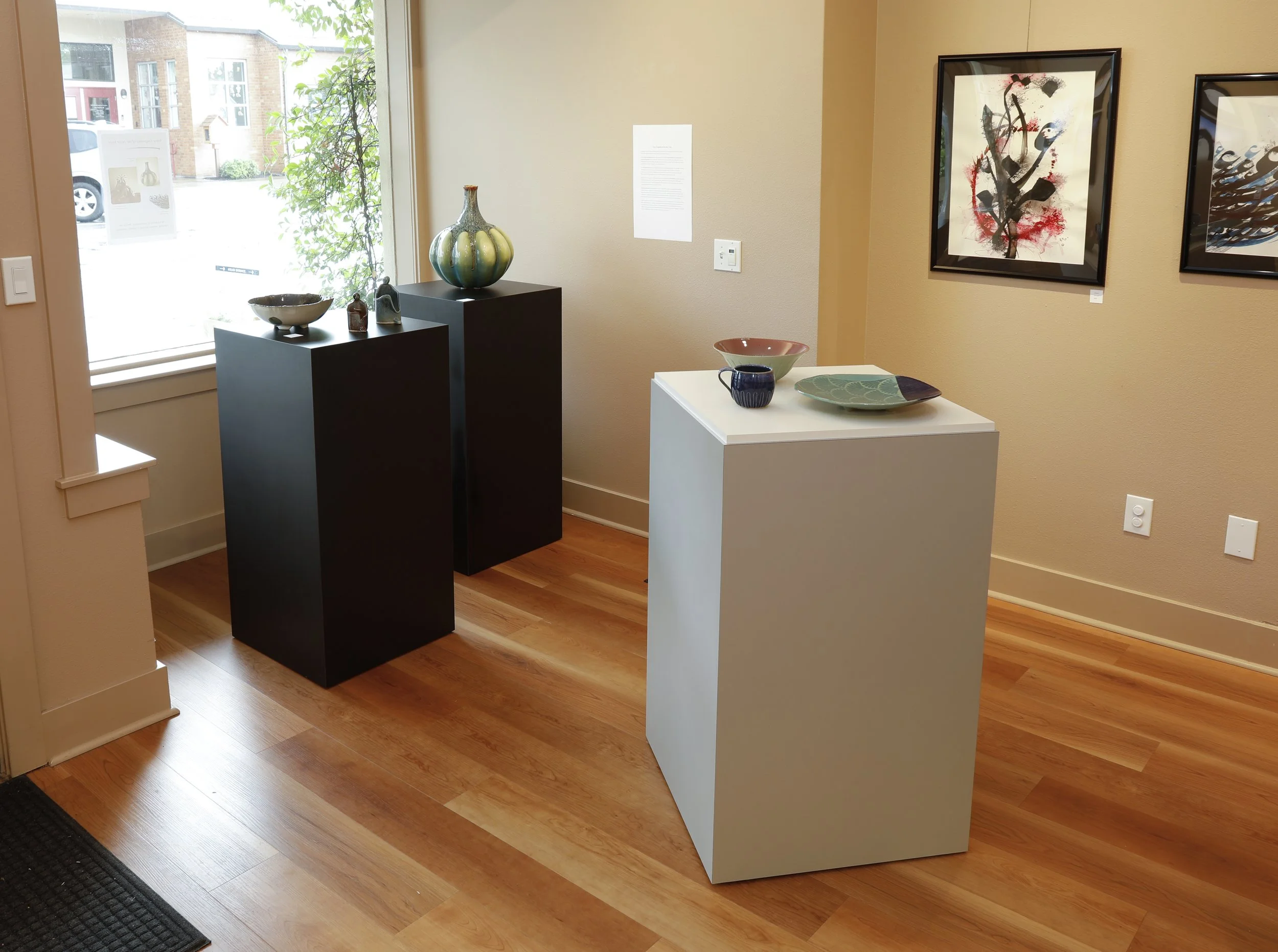
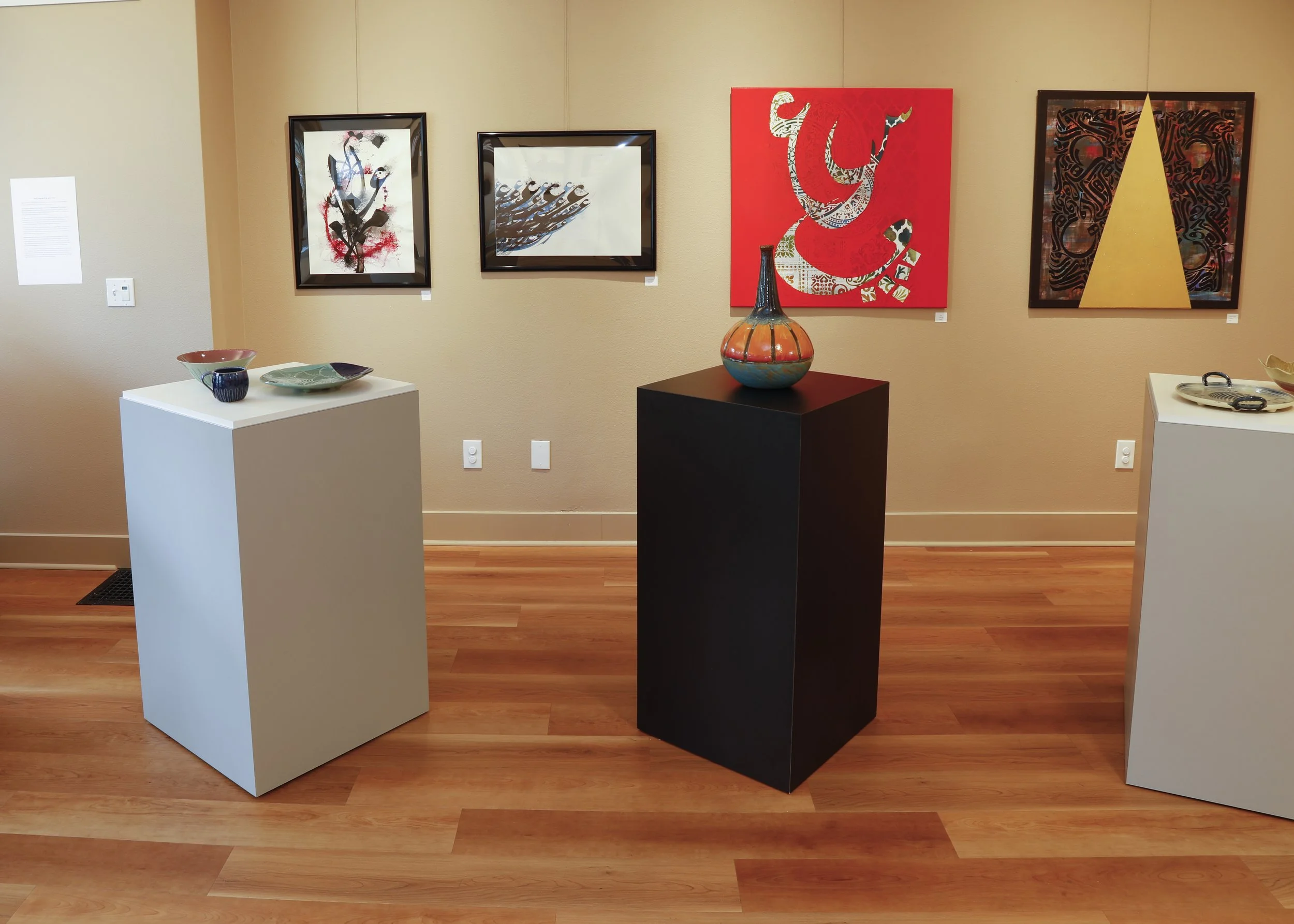
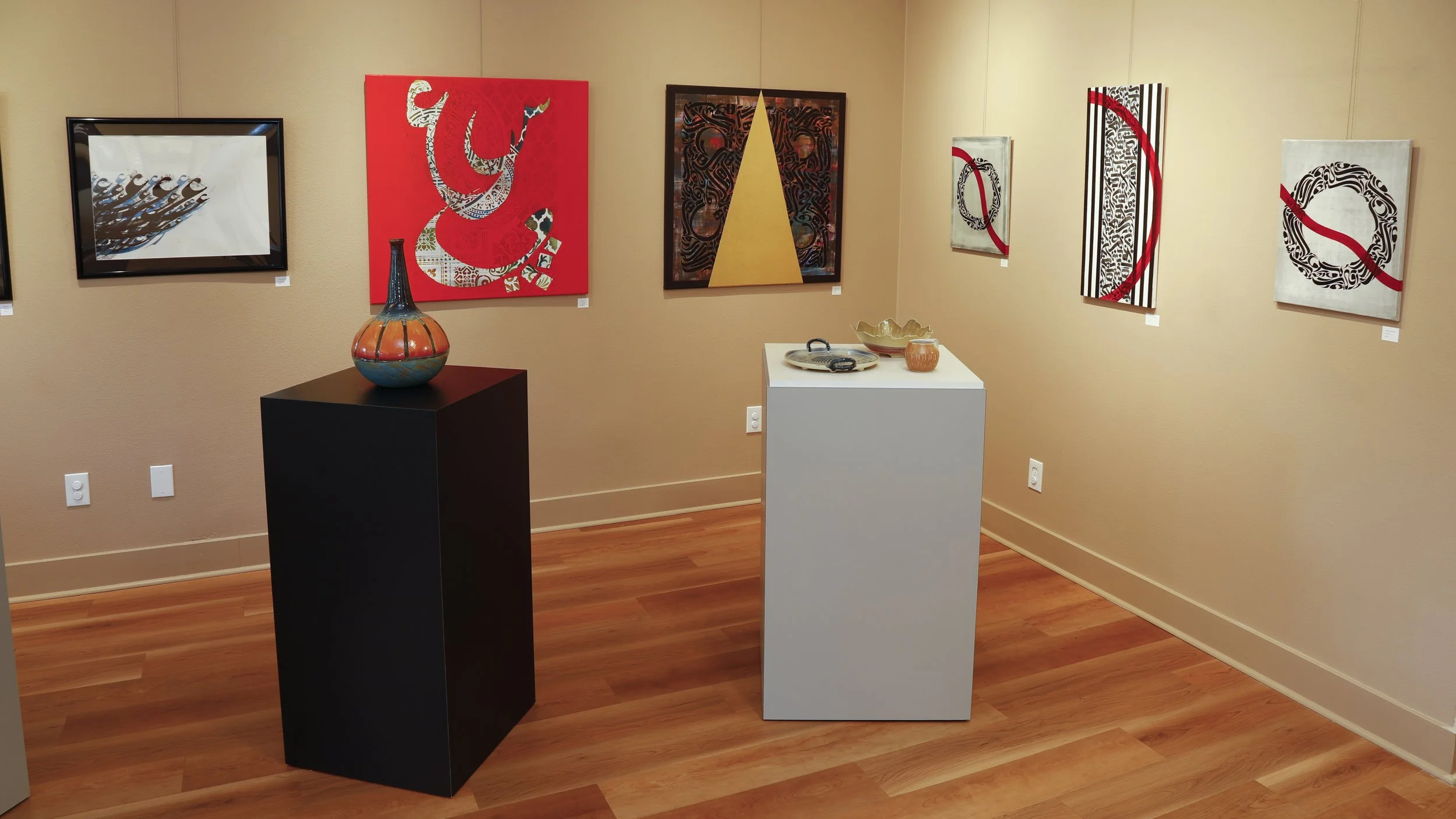
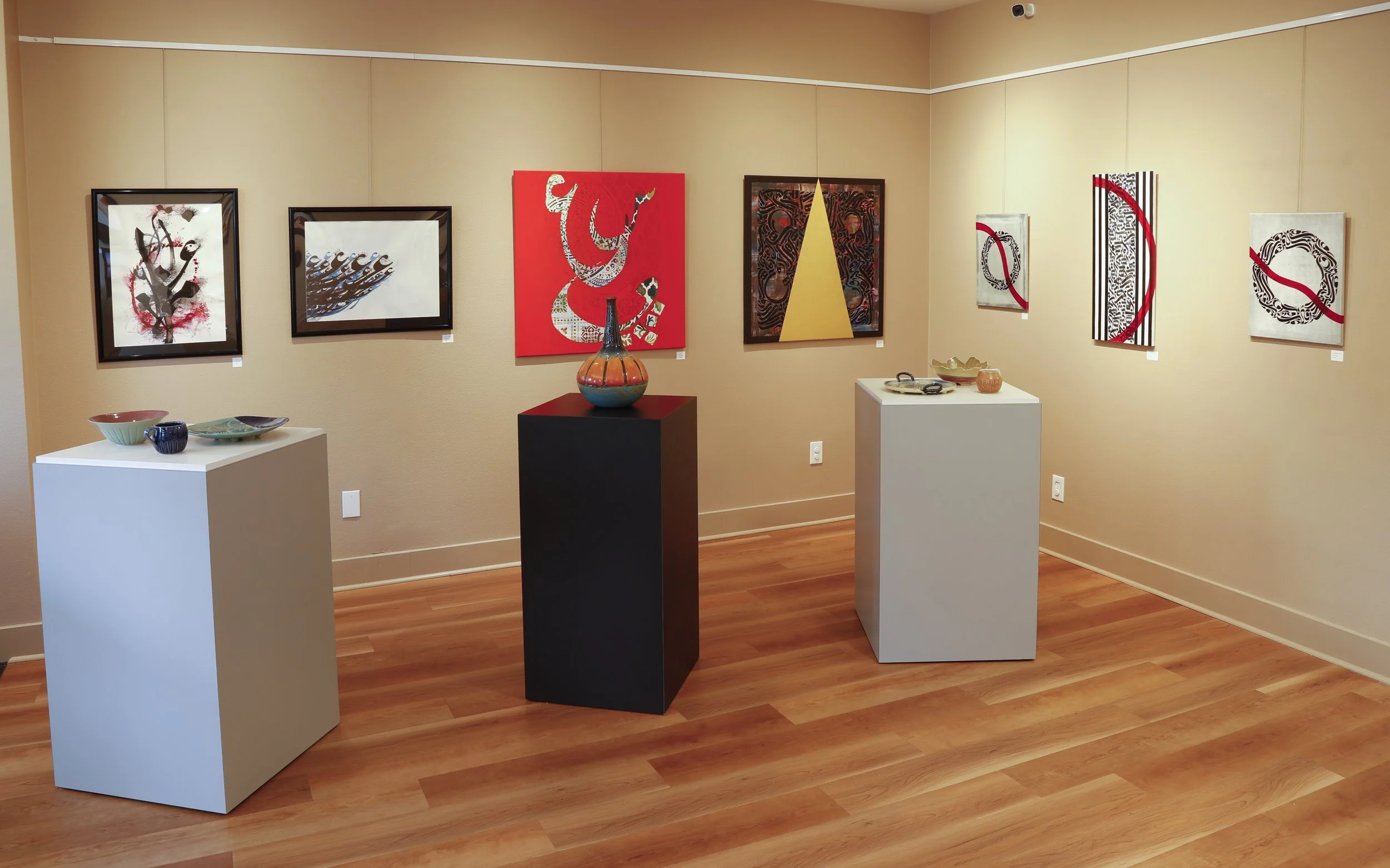
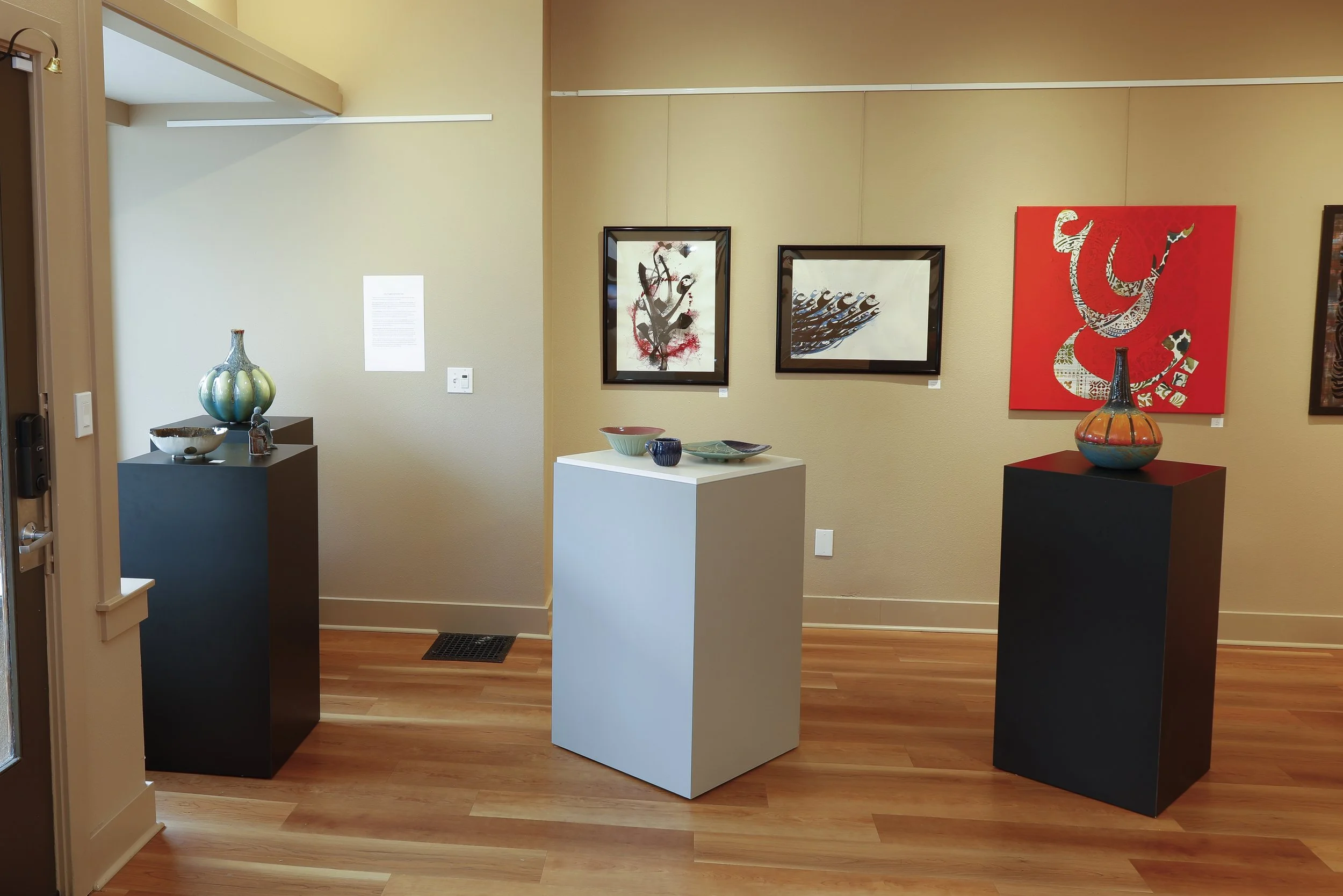
Nava: Fragments of the Inner Voice brings together the work of Afsaneh Dehestani, Ehsan Maleki, and Hamoon Mahmoodi, three contemporary Persian artists whose practices span calligraphy, ceramics, photography and fashion design. Though each works in a distinct medium, they are united by a shared exploration of memory, identity, and cultural inheritance.
For Afsaneh Dehestani, Persian calligraphy becomes both language and image. Her paintings celebrate the elegance of an ancient artistic tradition while revealing the expressive power of script as a contemporary visual form. Through graceful compositions, she invites viewers to experience the beauty and enduring significance of Persian calligraphy beyond the written word.
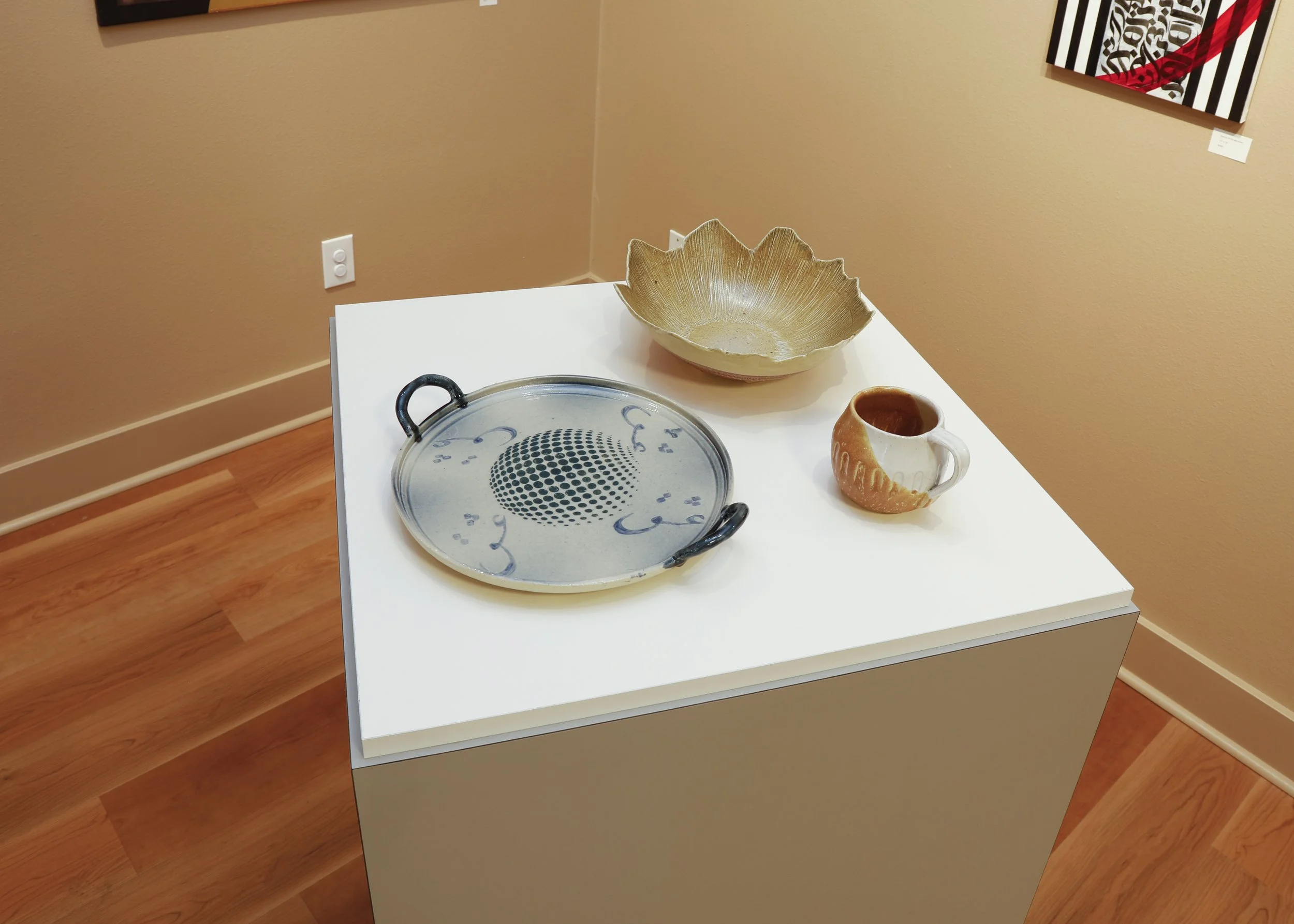
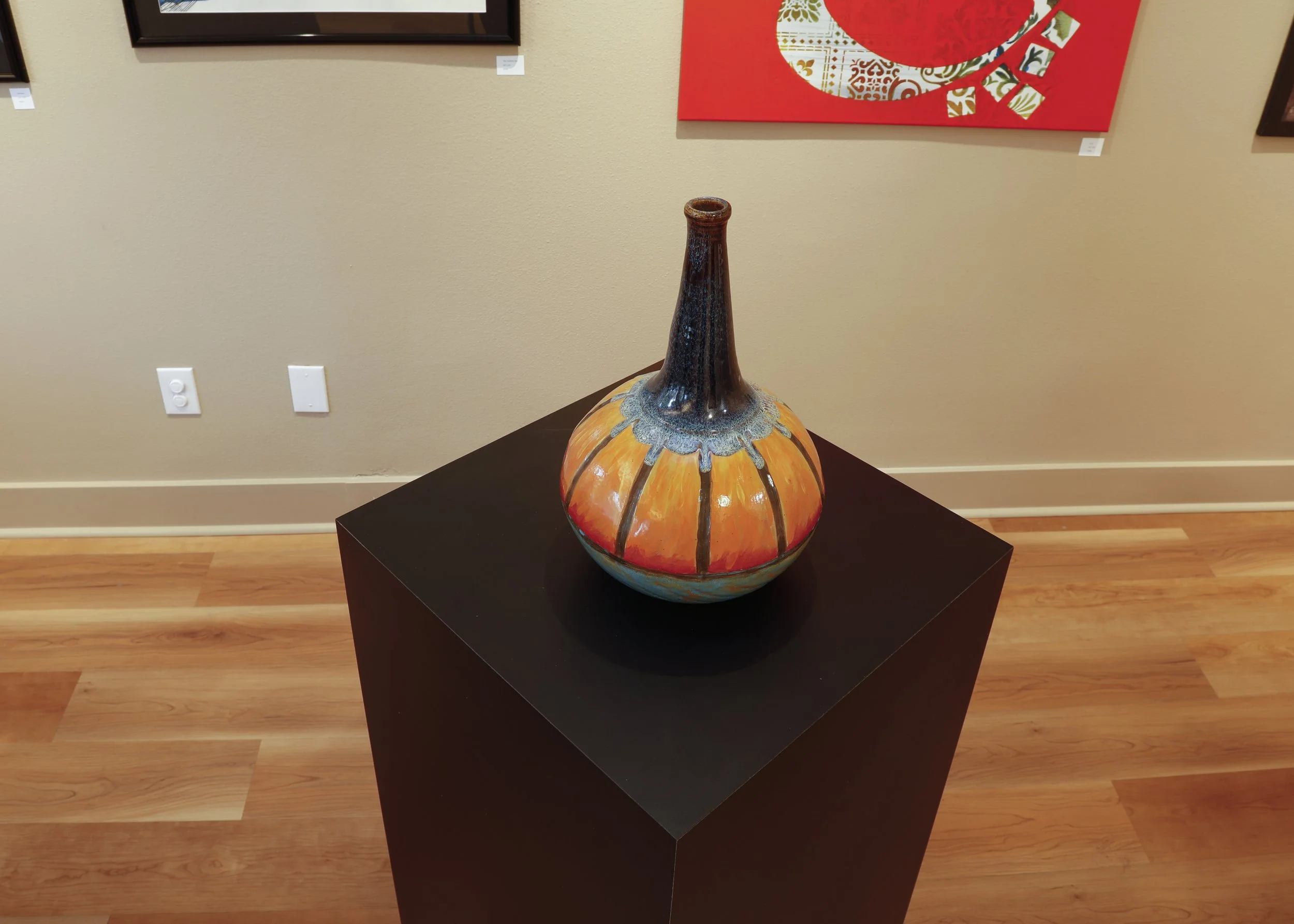
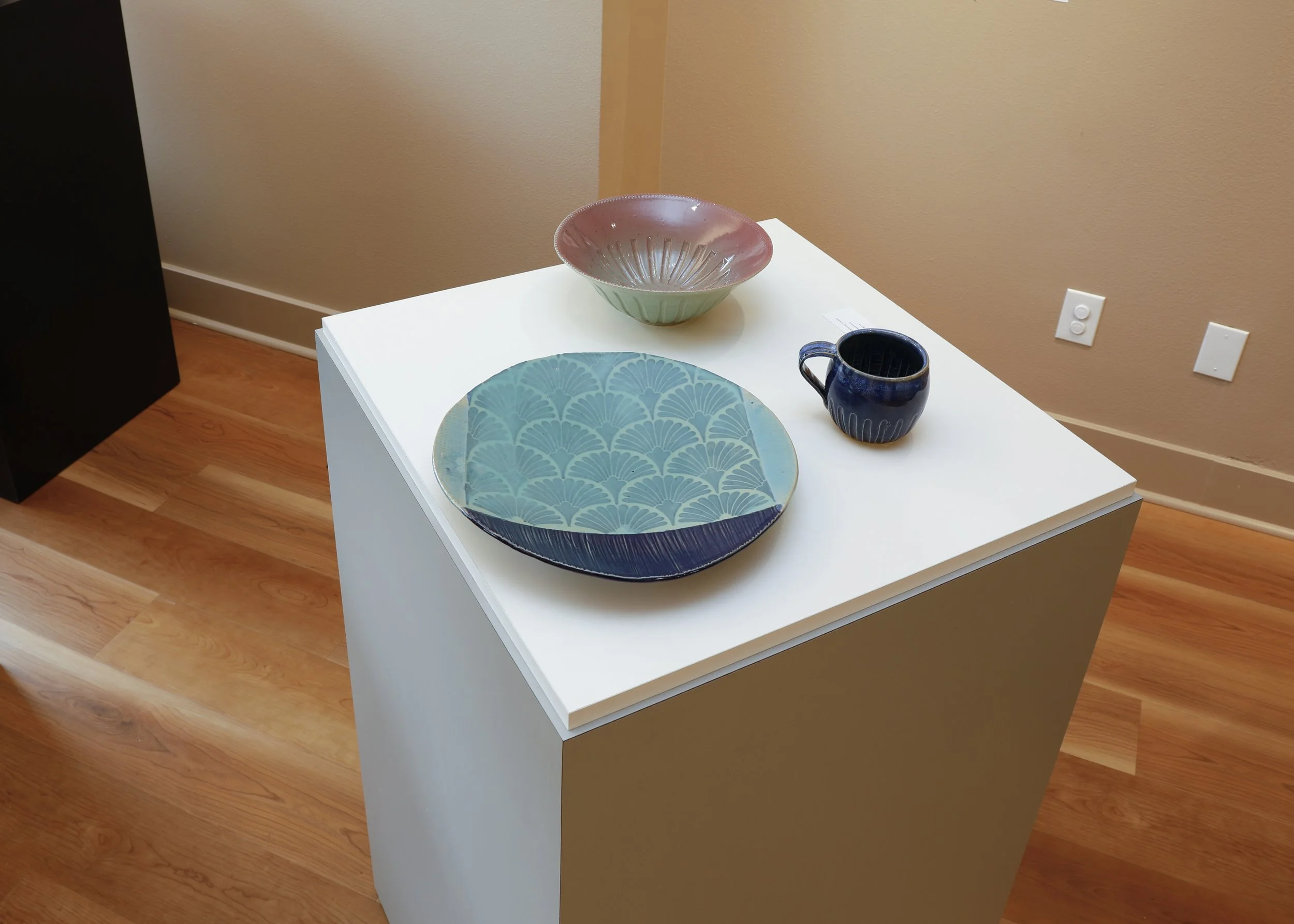
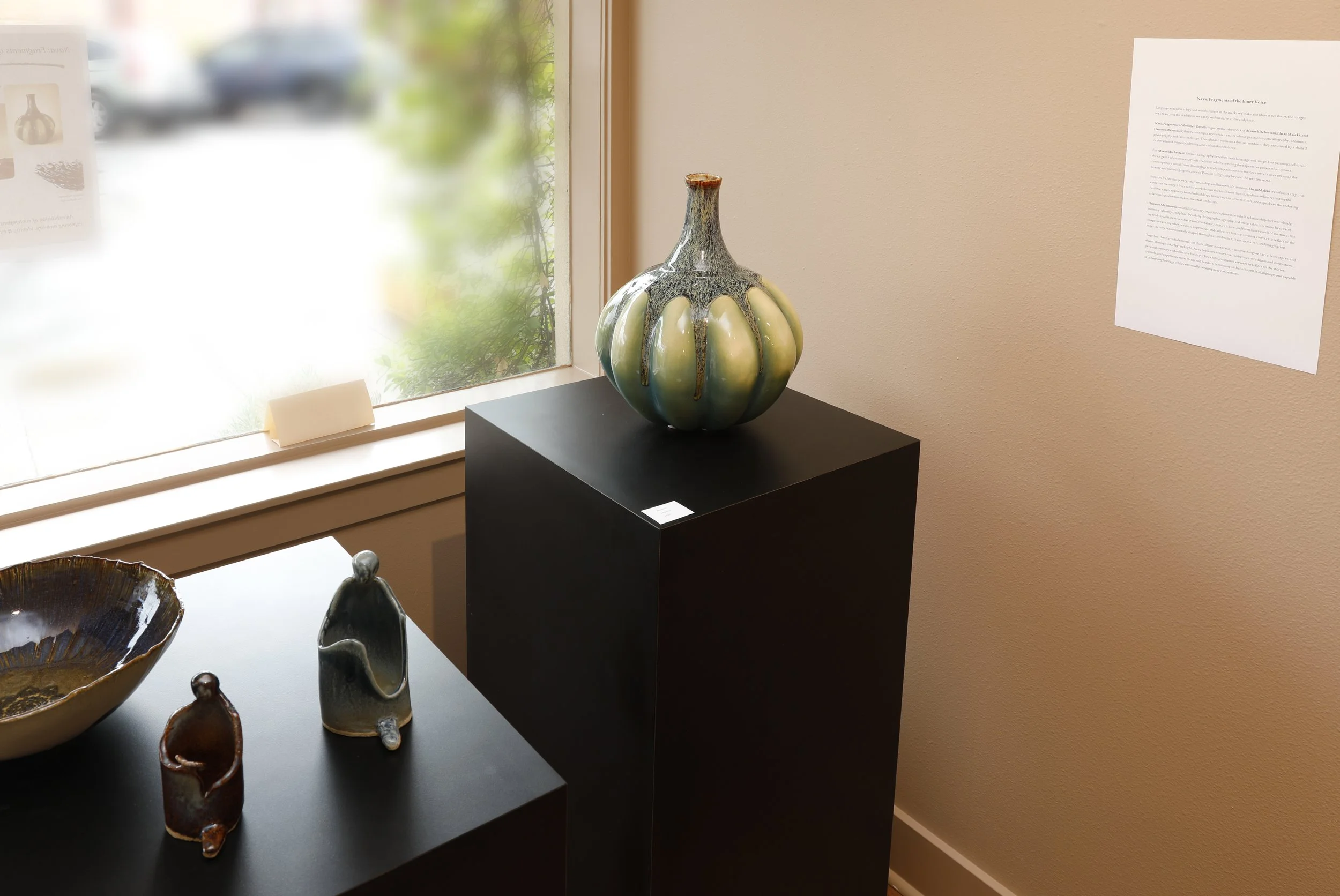
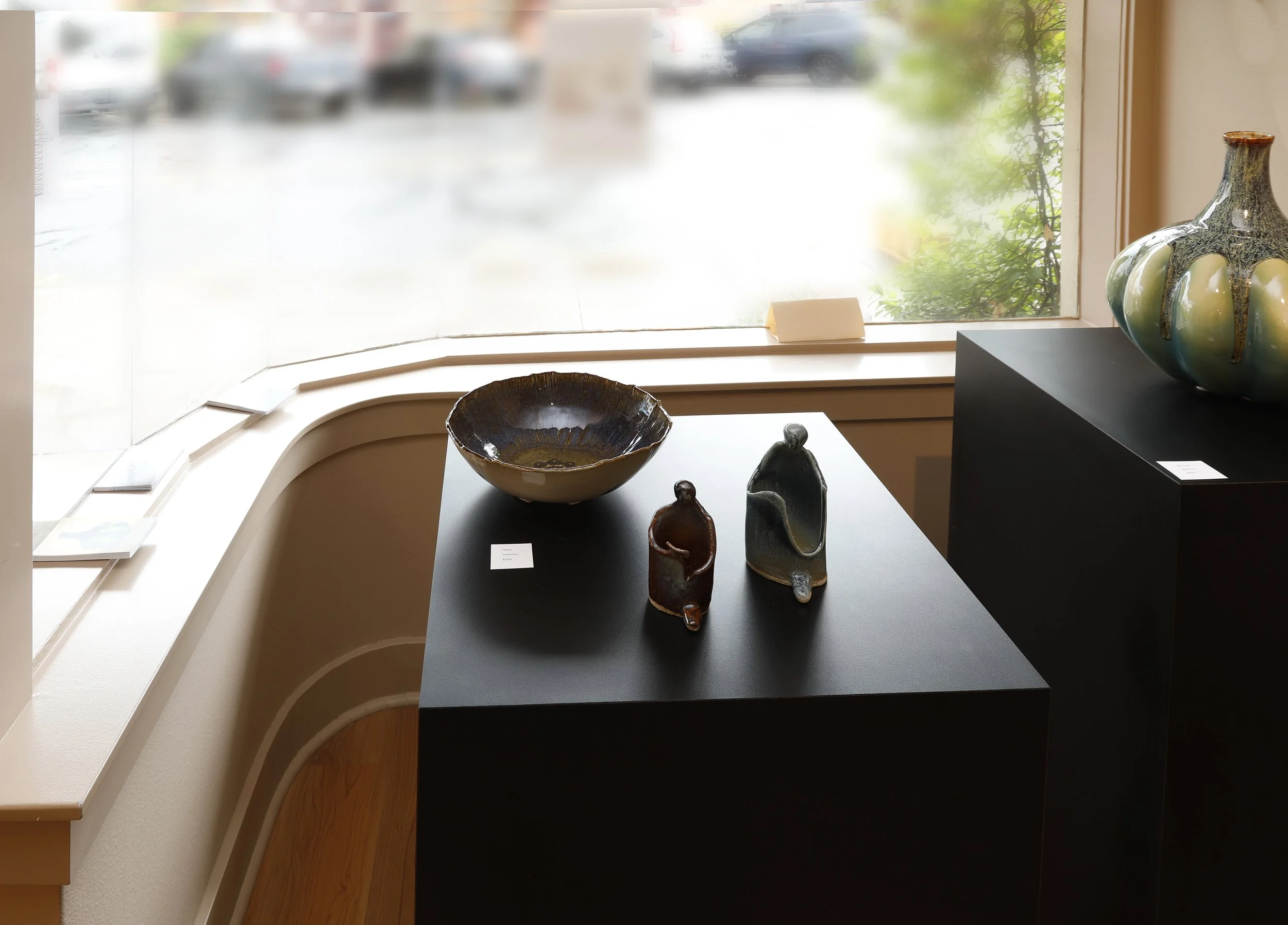
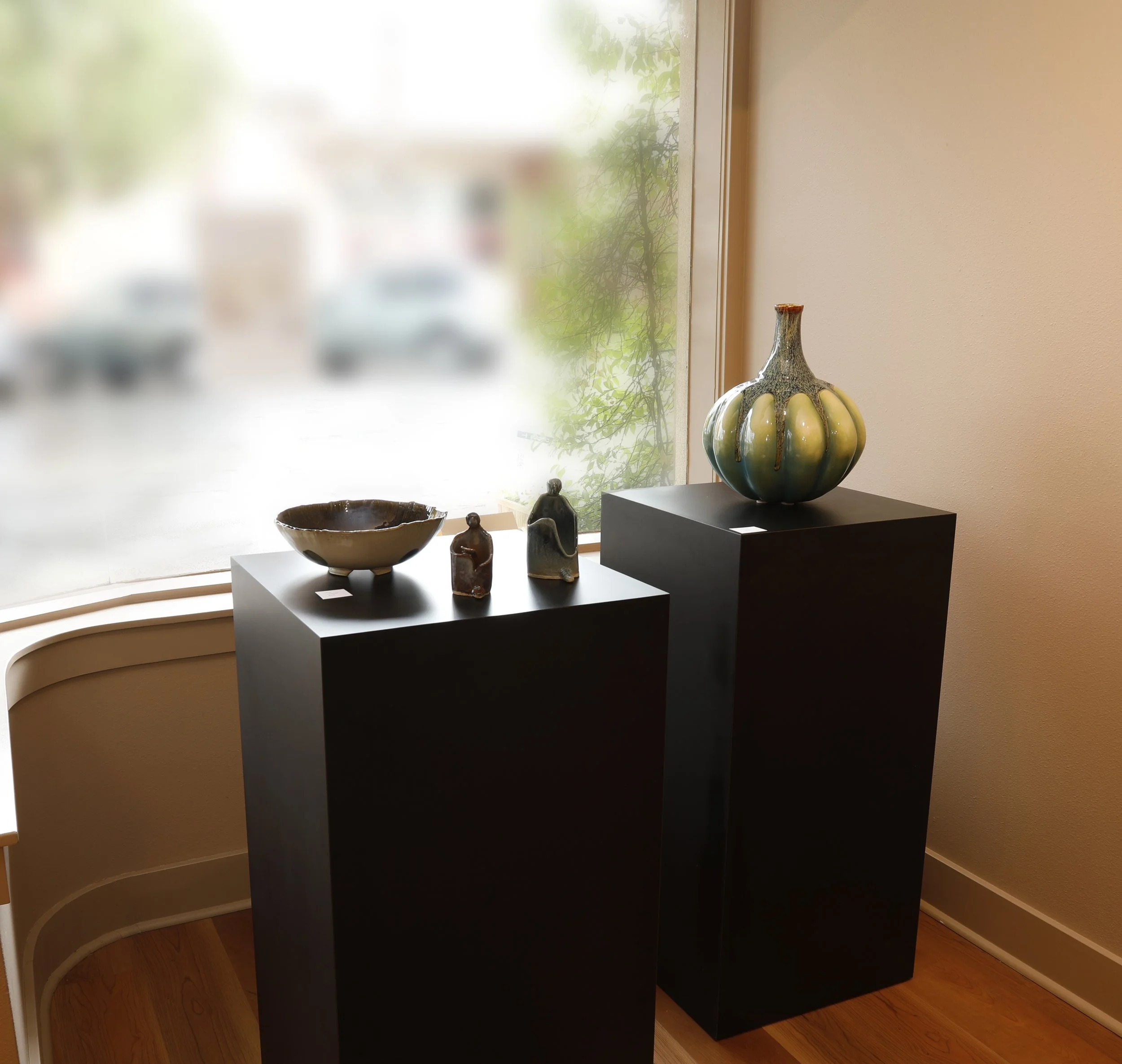
Inspired by Persian poetry, craftsmanship, and his own life journey, Ehsan Maleki transforms clay into vessels of memory. His ceramic works honor the traditions that shaped him while reflecting the resilience and creativity found in building a life between cultures. Each piece speaks to the enduring relationship between maker, material, and story.
Hamoon Mahmoodi's multidisciplinary practice explores the subtle relationships between body, memory, identity, and place. Working through photography and material exploration, he creates layered visual narratives that transform fabric, texture, color, and form into vessels of memory. His images weave together personal experience and collective history, inviting viewers to reflect on the ways identity is continuously shaped through remembrance, transformation, and imagination.
Together, these artists demonstrate that culture is not static, it is something we carry, reinterpret, and share. Through ink, clay, and light, Nava becomes a conversation between tradition and innovation, personal memory and collective history. The exhibition invites viewers to reflect on the stories, symbols, and experiences that transcend borders, reminding us that art itself is a language, one capable of preserving heritage while continually creating new connections.